
Let’s take a deep dive into the Ncuti Gatwa era! What are the Fifteenth Doctor’s most popular stories, and what can we learn from them?
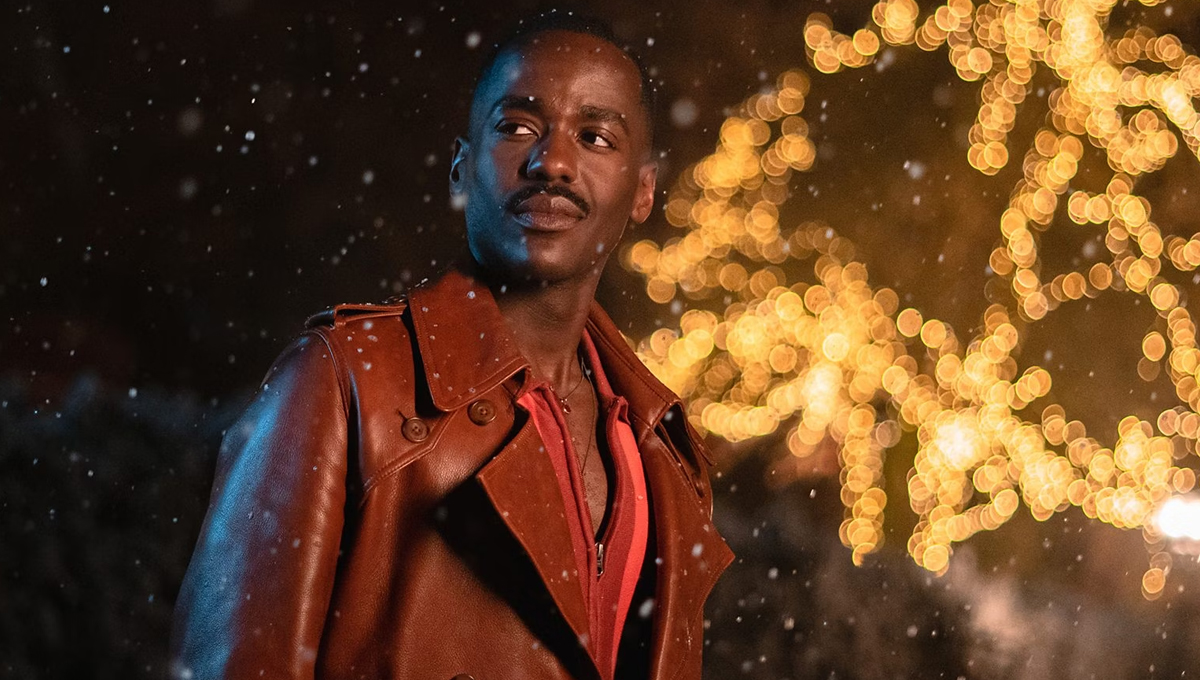
At the time of writing, there’s a big question mark hanging over Doctor Who‘s future. We don’t have an incumbent Time Lord; it may or may not be Billie Piper, David Tennant, AI-generated Hartnell [insert plausible scenario here.] Some commentators have opined that the show is “dead.” The BBC has stated that the show is very much alive, and is returning this Christmas, 2026. As we bid farewell to the Ncuti Gatwa era, everyone has an opinion on what Doctor Who should do next, and what makes ‘good’ Doctor Who.
Naturally, many of these opinions contradict each other, as everyone has their own tastes and preferences. But we do have some interesting data from the Ncuti Gatwa era to dissect. We will ignore viewing figures for now, as they don’t paint the most accurate picture in a world of catch-up TV, iPlayer and Disney+. But we do have the audience appreciation figures – statistics which denote how much people enjoyed the stories overall.
So, if we analyse the Ncuti Gatwa adventures with the highest audience appreciation scores, they should give us some indication as to what the show should do next… right? Let’s do it!
Empire of Death – 80
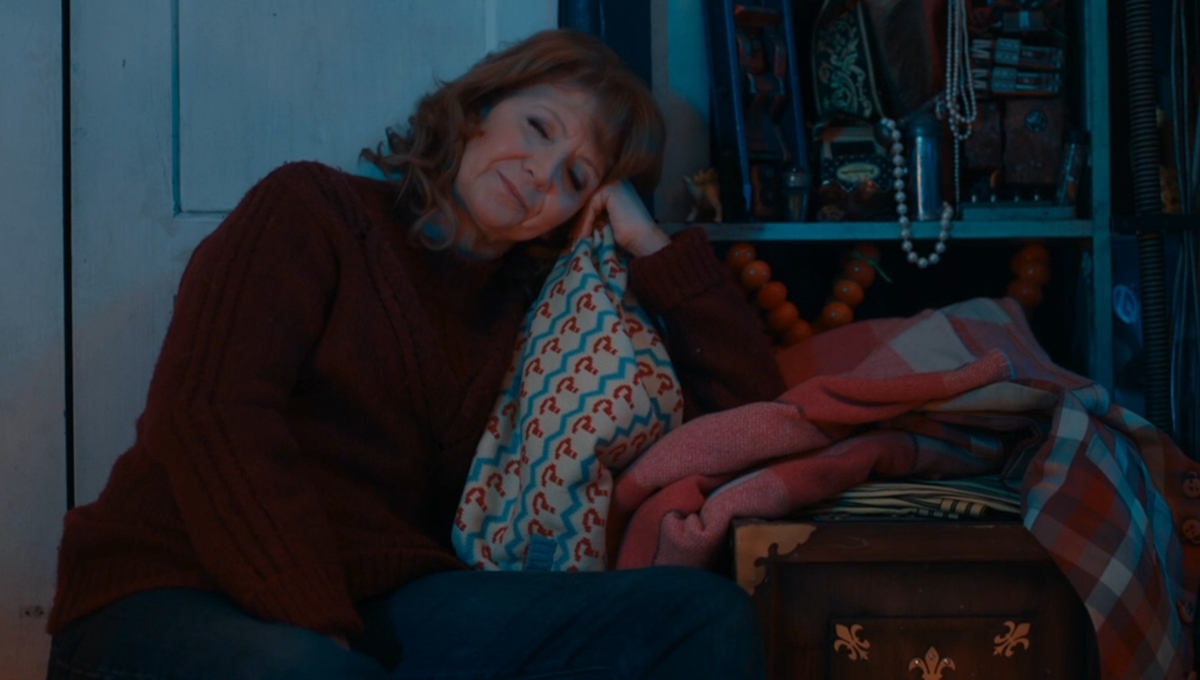
Ncuti Gatwa’s first season finale had an audience appreciation score of 80, which means that viewers found it “excellent.” (This is true of any piece of television which scores 80 or more.) This adventure had lots of ingredients, and tied up many loose ends – most importantly, it resolved the series-long character arc involving Ruby Sunday and the search for her real mum.
At the same time, we can’t ignore the fact that this Ncuti Gatwa episode was overtly bleak – perhaps one of the darkest of his tenure. The Time Lord was up against a god-like being in the form of Sutekh, bringing the “dust of death” to a universe on its knees. The stakes couldn’t have been higher, and it’s no exaggeration to say that the Doctor had met his match.
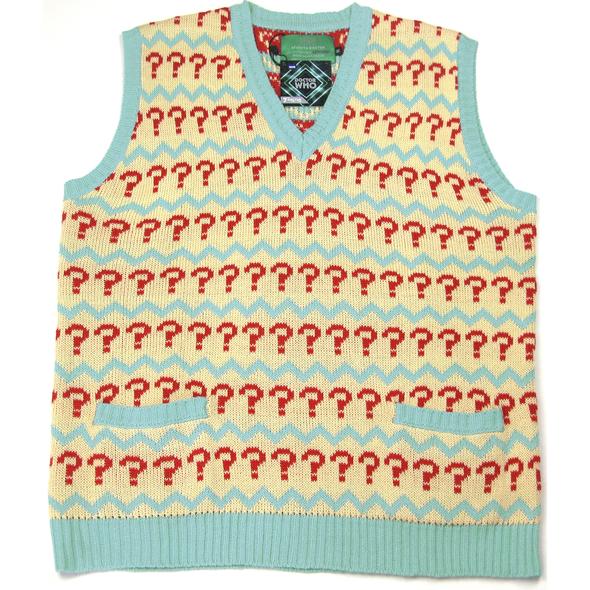
It’s also worth remembering that this Ncuti Gatwa episode contained many nods to the show’s history, including the aforementioned Sutekh. There was also the return of UNIT – a staple of the series since 1968, now led by the daughter of the beloved Brigadier Lethbridge-Stewart. Then there was the Sixth and Seventh Doctor’s companion Mel Bush, returning as something of a guest companion for this story. And then there was the memory TARDIS, chock-full of nostalgic titbits including the Seventh Doctor’s sweater (and a Lovarzi sweater at that!)
With ‘Empire of Death,’ then, we have a bleak, high-stakes story loaded with references to Doctor Who lore, which stands as Ncuti Gatwa’s third most popular outing.
The Legend of Ruby Sunday – 81
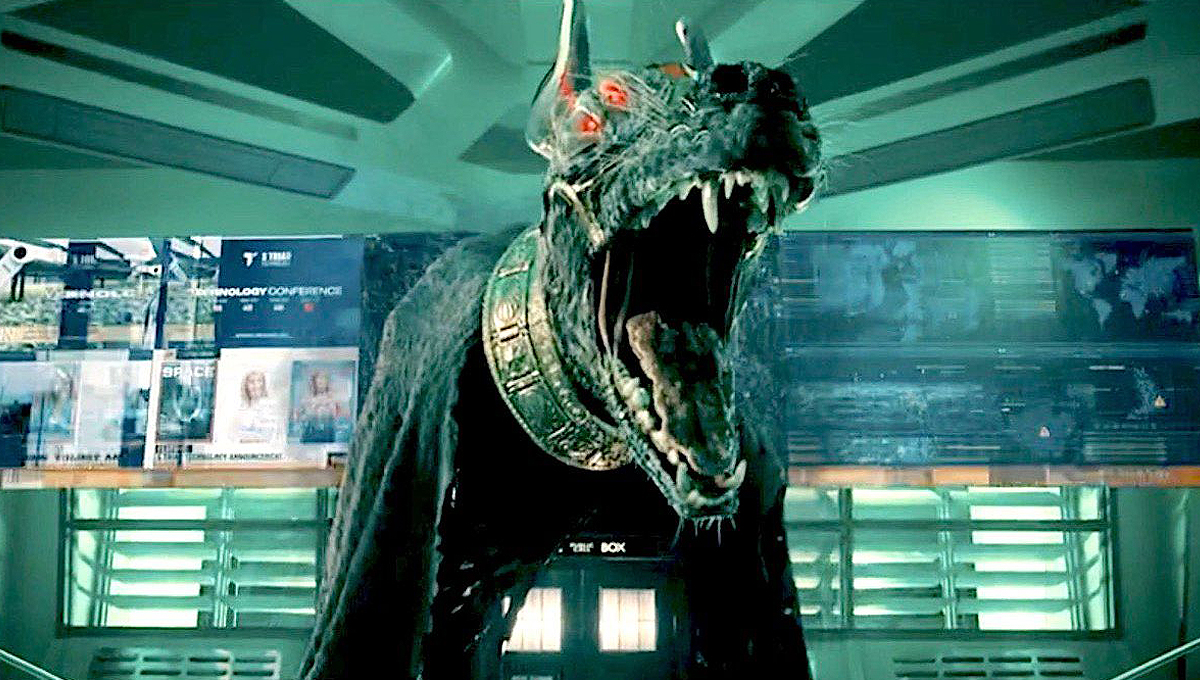
Perhaps unsurprisingly, Ncuti Gatwa’s second most popular adventure is the preceding episode ‘The Legend of Ruby Sunday,’ which had an audience appreciation score of 81. Like its successor, this episode had all the classic nods, including UNIT, Mel and the big reveal of Sutekh in the closing moments.
But the references didn’t stop there. Throughout the episode, the Doctor was trying to unravel the mystery surrounding tech entrepreneur Susan Triad, whom he suspected to be his granddaughter Susan Foreman. And as throwbacks go, this is a biggie; Susan hadn’t appeared in the series since 1983, and last appeared as a regular in 1964. She’d barely been mentioned in the ensuing years, and had certainly never been name-checked in the modern era. To have an entire episode centring around the Doctor’s (potential) granddaughter was like a gift to hardcore fans.






At the same time, we can’t overlook the fact that Ruby Sunday is key to this episode too. When the Doctor isn’t puzzling over the enigmatic Triad, he’s trying to discern the identity of Ruby’s mum using UNIT’s time window. Like ‘Empire of Death,’ this story puts the companion at the front and centre, and it’s clear from the audience appreciation score that viewers were invested in the mysteries of her past.
So to sum up ‘The Legend of Ruby Sunday’ – this is a character-centric story, shrouded in mystery, and loaded with Doctor Who lore. Oh, and with an epic cliffhanger to cap it all, which sustained the viewers’ interest into the next week.
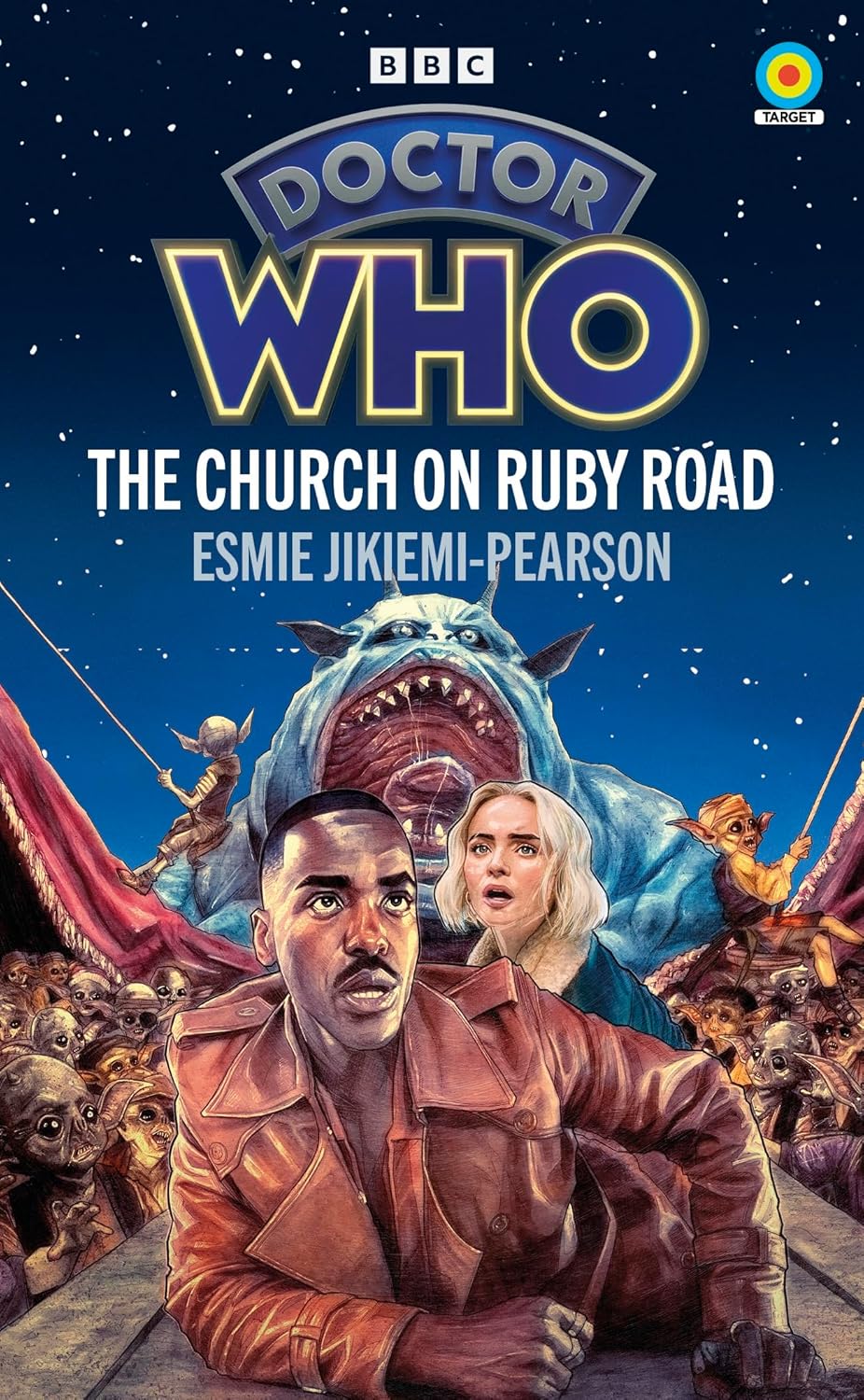
The Church on Ruby Road – 82

Finally, Ncuti Gawta’s most popular episode is his very first – ‘The Church on Ruby Road,’ with an audience appreciation score of 82. This was the 2023 Christmas special, and stood as the actor’s first full adventure, having previously appeared in ‘The Giggle’ following the Fourteenth Doctor’s regeneration.
Now, remember how much we’ve been talking about Ruby? Well, there’s a pattern emerging here, as the astute among you will have gleaned from the title. Again, this is very much Ruby’s show; the story begins with the baby Sunday being abandoned outside a church on Christmas Eve, before zipping into the present day and showing the Millie Gibson incarnation being interviewed by Davina McCall about the search for her long-lost mum.
This, then, is very much a companion-led tale full of family problems and pathos. The image of Ruby’s mum, back turned and cloaked, trudging through the snow and disappearing into the darkness of the night is a powerful one, all while Ncuti Gatwa’s Doctor looks on, eyes wet with tears. It sustained the audience’s interest right through to the series’ conclusion.
But what else is going on in Ncuti Gatwa’s first story? Well, we also have goblins – perhaps not the most memorable Doctor Who monster, but they did hasten the arrival of the popular ‘Goblin Song,’ which was released as a charity single and floated as a potential Christmas number one. This was the first festive number that composer Murray Gold had penned for the series since 2007, and even Ncuti Gatwa (in the episode, at least) was given the opportunity to perform it – a first for Doctor Who.
In short, with Ncuti Gatwa’s debut story we have a companion at the forefront of the drama, with a sad and mysterious past, and a rather novel set of baddies. We also have a classic Doctor Who reference with the first appearance of the Rani since the early 90s, although it probably shouldn’t count given that viewers at the time didn’t have a clue who she was!
What, then, can we glean from the most popular stories from Ncuti Gatwa’s time? Well, they all leaned heavily on the companion – in this case, a companion with an intriguing history, and a longing for answers. They all had memorable baddies, and (for the most part) they all incorporated popular elements from Doctor Who‘s past, such as Susan Foreman, Sutekh and UNIT.
So that’s what Lovarzi can conclude from this thorough, highly scientific analysis: For Doctor Who to connect powerfully with its audience, it should lead with a sad and enigmatic companion, throw in lots of past references, and pit the Doctor against an all-powerful adversary. Sorted.
Now excuse us while we finish our pitch to the BBC: ‘Ruby and the Return of Romanadvoratnelundar in an Exciting Adventure with the War Lord.’ See you at Christmas!
Leave a Reply