
If you could pick a handful of stories which summed up the First Doctor, which ones would you choose? Here are Lovarzi’s top picks…
An Unearthly Child
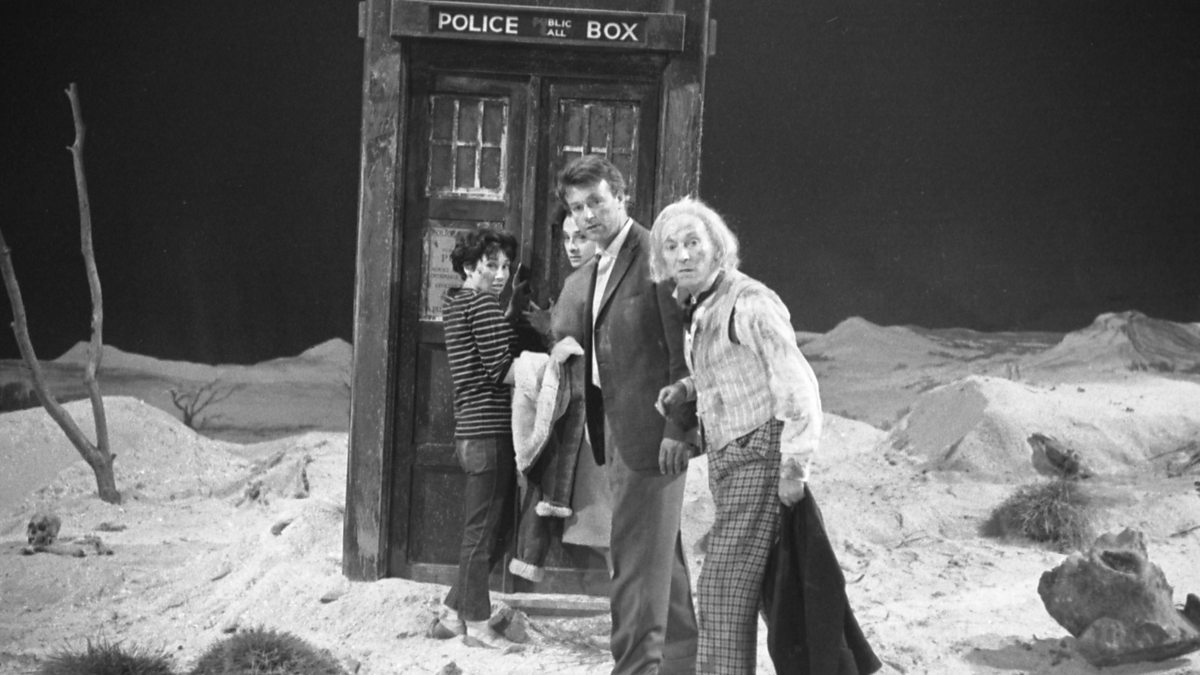
How could we discuss the First Doctor without going back to the story that started it all? ‘An Unearthly Child’ shows a very different aspect of his character. He’s abrasive, manipulative and (in one scene) murderous. There is a moment where the Time Lord and his new companions are trying to escape a Stone Age tribe and they come across a wounded man. The Doctor picks up a stone and, before Ian stops him, it’s implied that he was thinking of killing the man to make their escape easier.
This is still a far cry from the version of the First Doctor in the pilot episode, though, who was cold and sinister from the beginning. But despite this darker start, there’s no denying William Hartnell’s power as the titular character; he is the original, whether you like it or not, and no amount of Fugitive Doctors or timeless children can change that.
Alas, ‘An Unearthly Child‘ is currently in a legal pickle between the BBC and the family of the story’s writer, so you might have to seek out a DVD copy if you want to watch it.
The Edge of Destruction
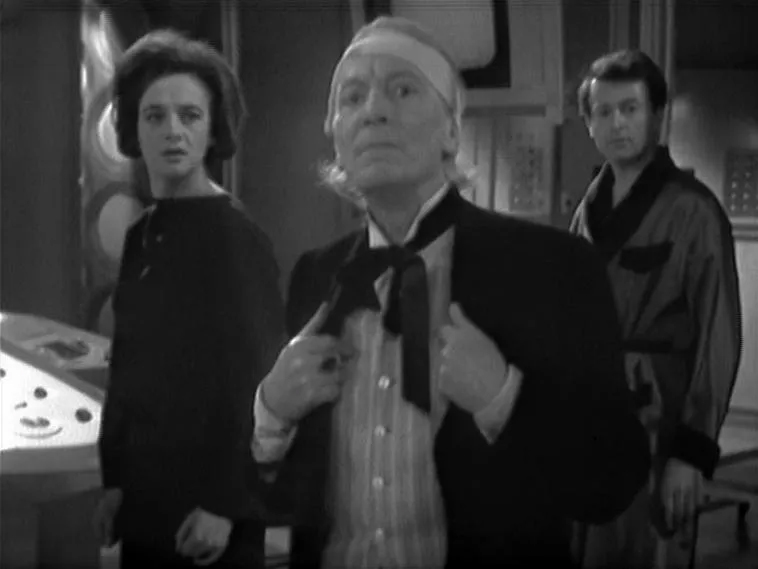
This two part story was originally written as a cheap filler, and features only the regular cast and the TARDIS set. Something mysterious has entered the ship (or so they think) and the four travellers turn on each other in suspicion as they try to unravel the mystery.
‘The Edge of Destruction’ is a real turning point for the First Doctor, and his relationship with his companions. At first, he is prepared to have Ian and Barbara ejected from the TARDIS, believing them to be the cause of the disaster that has befallen them. However, when the crisis is resolved, the Doctor changes his stance, and his trust in his new friends is deepened. Towards the end of the story, the First Doctor’s gentler, more humorous side comes to the fore; this is the version of the First Doctor that would remain for the rest of his era.
The Dalek Invasion of Earth

When the Daleks returned to fight the First Doctor in 1964, Doctor Who was at the peak of its popularity (in the 60s, at least.) This was the middle of a period known as Dalekmania, and some 11-12 million people tuned in to see the metal mutants tearing through the streets of London – the “poor, pathetic creatures” as the Doctor called them.
Episode six is perhaps the most famous episode from this adventure, as it sees the First Doctor bidding farewell to his granddaughter Susan, who has fallen in love with an Earth man called David. The Time Lord locks her out of the TARDIS so that she won’t have to choose between him and her new partner, and he speaks to her over the TARDIS’ loudspeaker. Hartnell’s speech is perhaps the most famous moment of the First Doctor’s era, where he promises: “One day, I shall come back. Yes, one day. Until then, there must be no regrets, no tears, no anxieties… Just go forward in all your beliefs, and prove to me that I am not mistaken in mine.”






The Romans
‘The Romans’ may not be a fan favourite from the First Doctor’s era, but it’s fun. In this period of Doctor Who history, the series regularly featured purely historical stories with little-to-no science fiction elements, and ‘The Romans’ is one such example. As the title suggests, the travellers find themselves in Ancient Rome during the reign of Emperor Nero, in the year 64 AD.
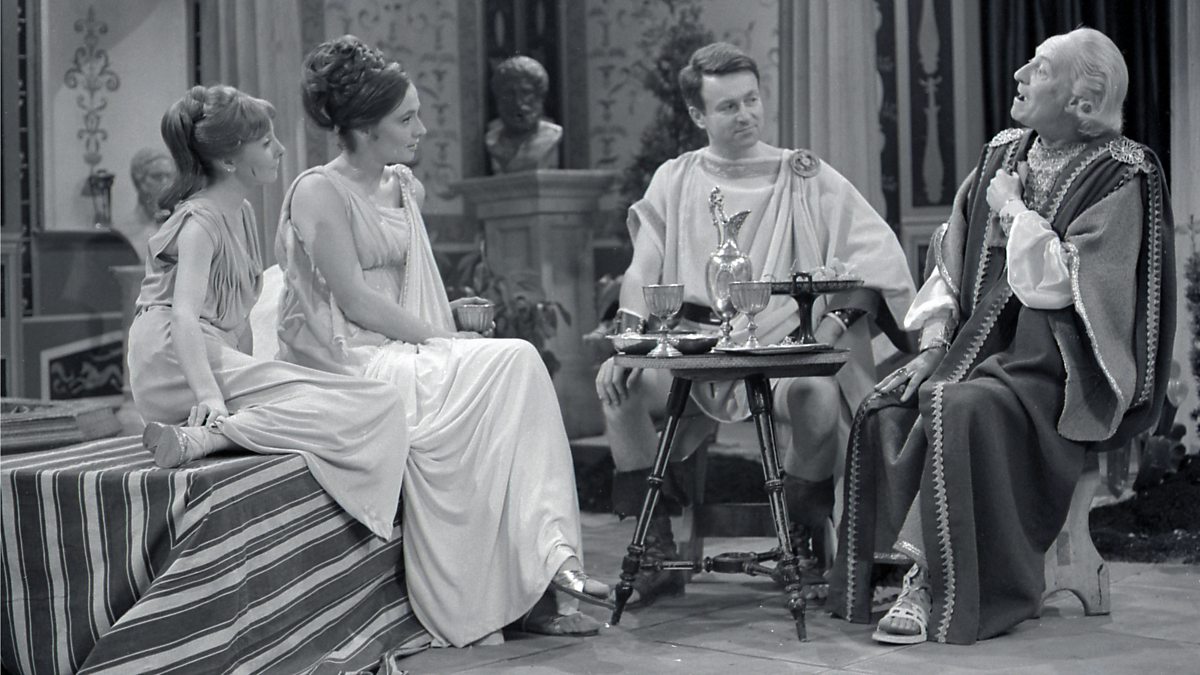
However, the big difference with ‘The Romans’ is its tone. Despite the subject matter, this adventure is more like a farce than a gritty drama, and William Hartnell rises to the occasion. If you ever want to experience the First Doctor’s more playful, mischievous side, then ‘The Romans’ is the story for you. The scene in which he ‘plays the lyre’ for Emperor Nero is a particular highlight as, whilst funny, it also shows off the Doctor’s genius.
The Time Meddler
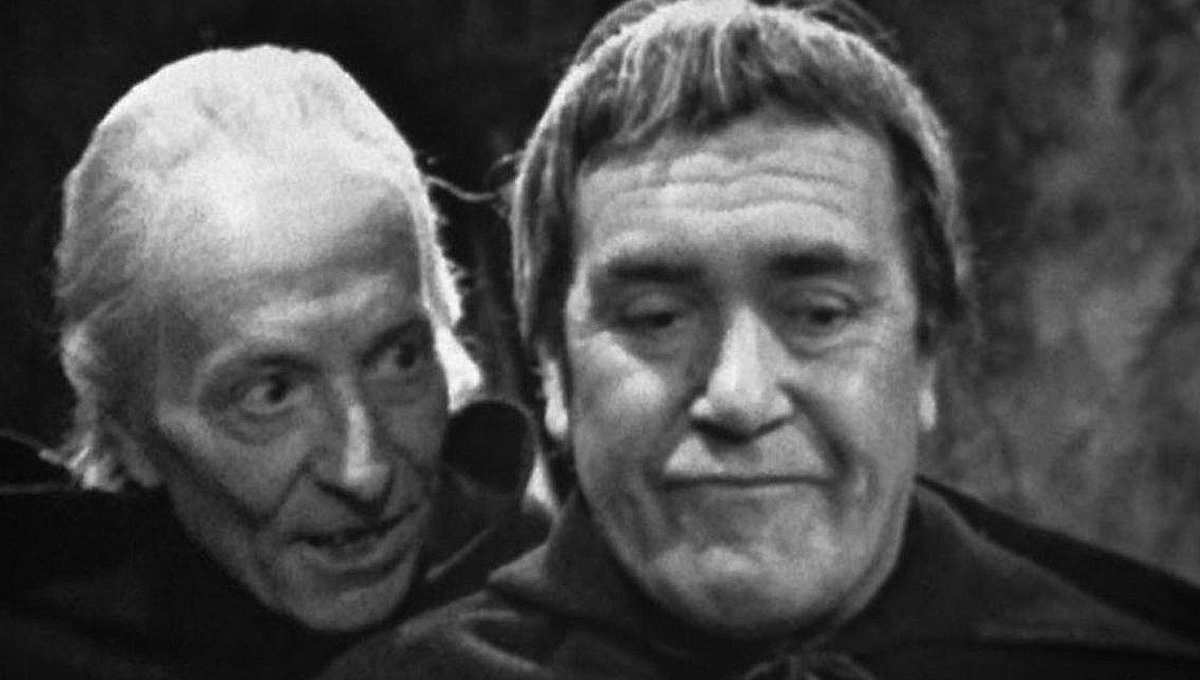
‘The Time Meddler’ includes a first for the series in that the Doctor comes face-to-face with another member of his own race (unless you count Susan, of course.) In this adventure, the First Doctor does battle with the troublesome Meddling Monk, who is using his own TARDIS to try and avert the course of history in 11th century England.
Thus, ‘The Time Meddler’ is an important story for the greater Doctor Who lore. But it also presents a new challenge for the First Doctor – a villain who is, in many ways, his equal, but is using his powers for evil rather than good. The scenes between the Doctor and the Monk are a joy to the watch as the pair continually attempt to outwit each other, with (sometimes) comic effects. The Monk is played, after all, by Peter Butterworth, who appeared in his first Carry On film the same year.
The Daleks’ Master Plan
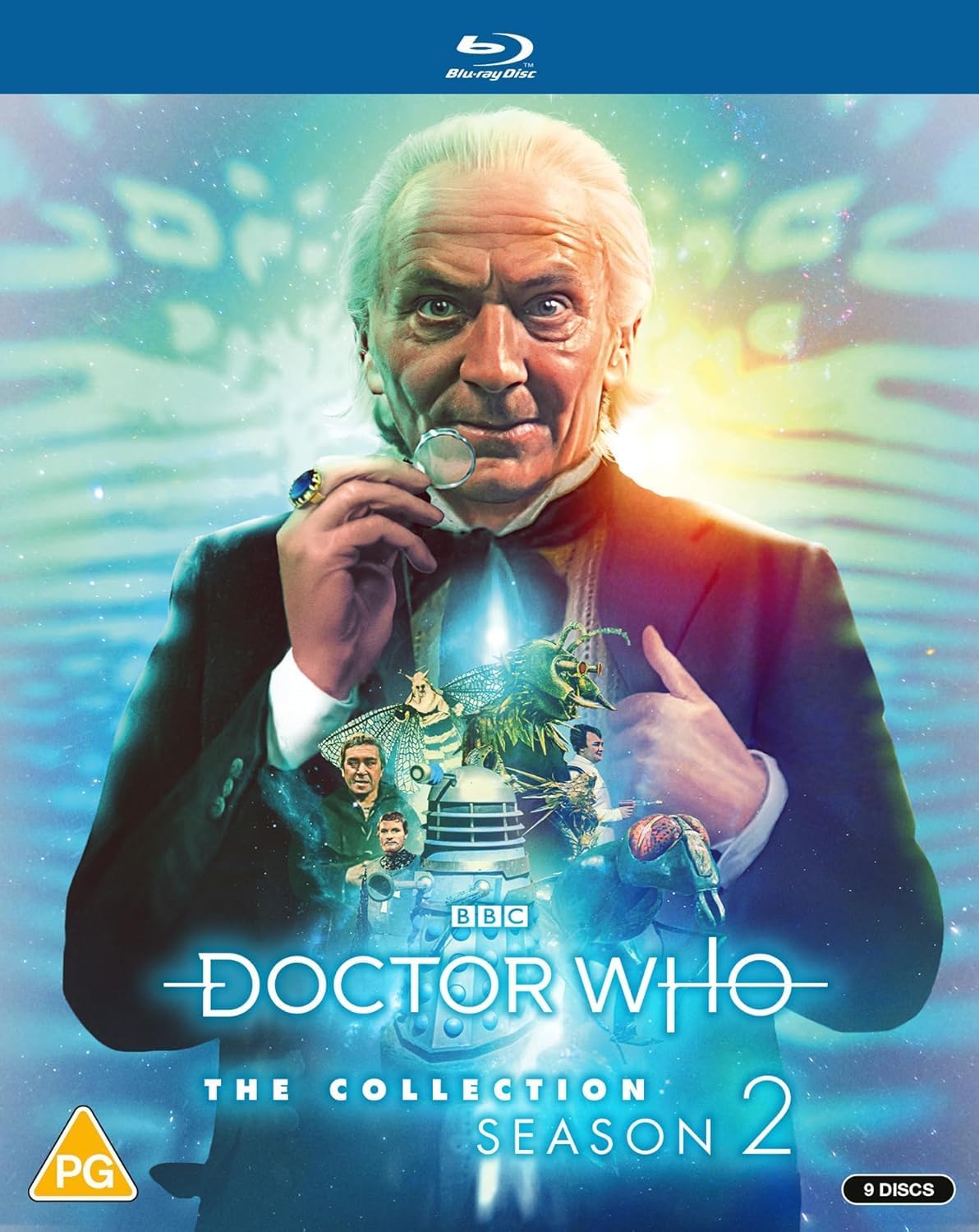
The 12 part ‘Daleks Master Plan’ is often cited as a fan favourite, and we couldn’t list the First Doctor’s most iconic stories without mentioning it. Alas, only three of its 12 episodes currently exist in the BBC archive, but all the audio recordings survive. Perhaps we should start a petition to have the story animated.
Arguably, ‘The Daleks’ Master Plan‘ is one of the darkest First Doctor adventures as it sees the death of the Time Lord’s short-lived companion Katarina, who sacrifices herself to let the Doctor escape. Then, in the final episode, the Time Lord’s new friend Sara Kingdom also perishes at the hands of the Daleks’ time destructor, and is literally aged to death in a matter of seconds.
On the plus side, ‘The Daleks’ Master Plan’ is also known for featuring the very first Doctor Who Christmas special, with episode seven falling on Christmas Day 1965. This is standalone instalment with no link to the bigger story, and is more of a comedy than a drama. But it will forever be remembered as the episode where the First Doctor broke the fourth wall, turned to the camera and wished everyone a merry Christmas.
Which Doctor Who stories do you think best represent the First Doctor? And which is your favourite from this list? Let us know in the comments below.

Leave a Reply