
They were outside the government, beyond the police. It’s been 20 years since Torchwood first graced our screens. How does the world’s best known top secret organisation stack up in 2026?
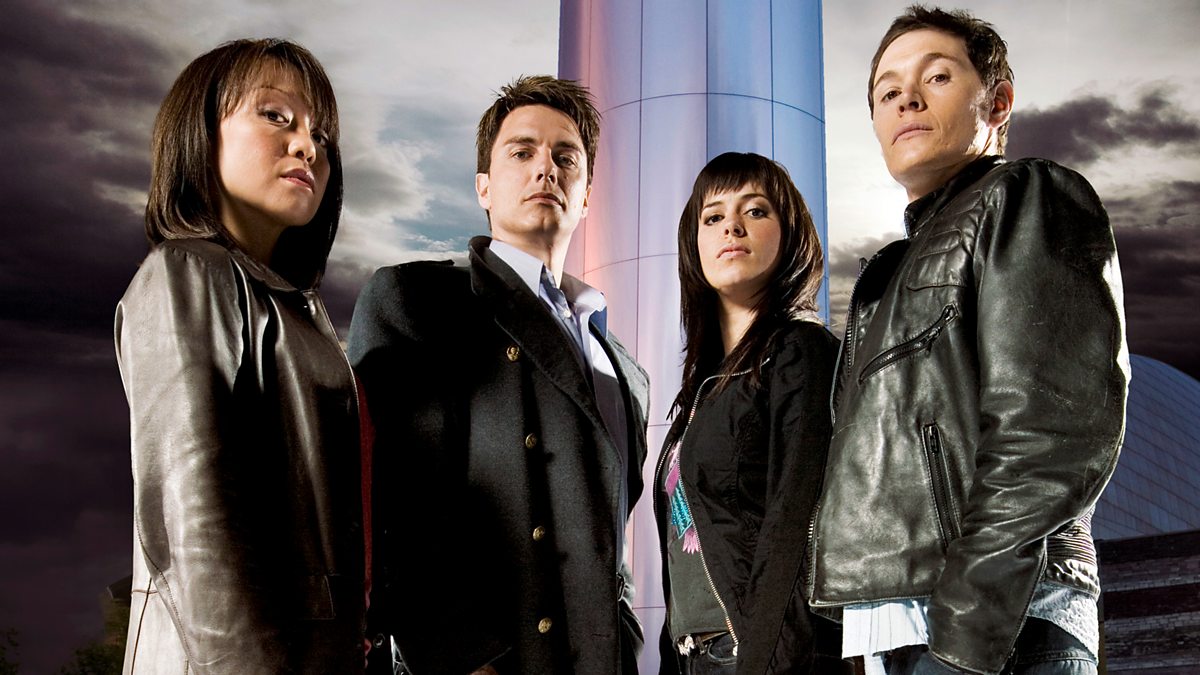
Torchwood arrived just as the popularity of New Who was reaching its peak. Fans didn’t know it at the time, but Russell T Davies and his team were slowly building an empire – an interconnected televerse that would span Doctor Who, Torchwood and The Sarah Jane Adventures. The Whoniverse, as it’s affectionately known, had never achieved such heights of popularity. When Torchwood rode into town, it hastened the start of a golden age.
Apparently, the concept for Torchwood was one that Davies had been mulling over for some time, albeit away from all-things TARDIS. The idea was for a gritty sci-fi show aimed at a more mature audience, with the working title Excalibur. But with the arrival of Captain Jack Harkness in the 2005 series of Doctor Who, these plans quickly evolved.
The name Torchwood, by the way, is an anagram of Doctor Who, and had been used as a codeword for the production team’s operations to deter film thieves and other pests. Plus, it sounded good. Russell T Davies now had everything he needed: a concept, a star and a title.
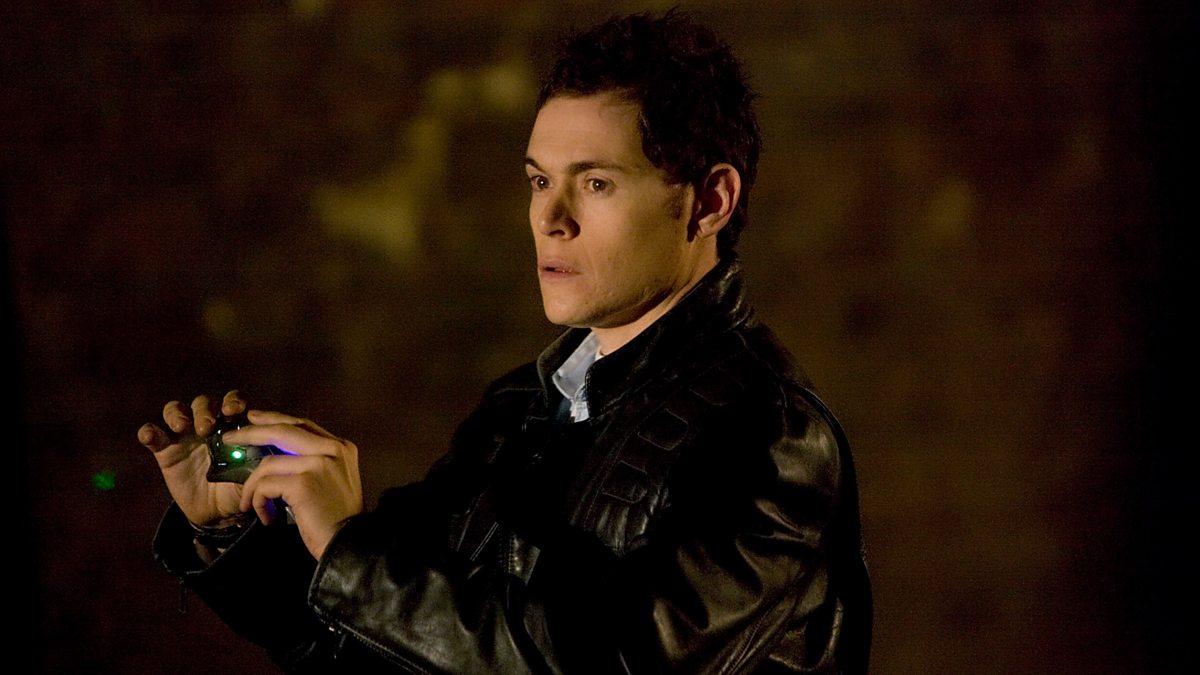
Torchwood centred around a young team of sundry boffins who worked out of a top secret base beneath the famous Roald Dahl Plass in Cardiff Bay. Their job was to monitor the rift – a mysterious crack in space and time through which all manner of alien threats could emerge, and frequently did. They were led by the aforementioned Captain Jack, an immortal governed by two major passions: finding “the right kind of doctor,” and having sex with as many people as possible.
It’s worth mentioning the good captain’s lustings at this point, as sex was a major theme of Torchwood; one episode even centred around a literal sex monster from outer space, who came to Cardiff to satisfy its cravings for ‘the climax.’ It was certainly a novel idea (and one borne out of the mind of Chris Chibnall, no less) but not the kind of show that you would stick on for the kids.






And, rightly or wrongly, this was Torchwood‘s intention. This wasn’t a programme for the pre-schoolers, but young adults. The series regulars were frequently jumping into bed with one another, or looking for reasons to jump into bed with one another, or talking about jumping into bed with one another, with all the colourful vocab that one would expect from a group of randy 20-somethings. Torchwood certainly wasn’t to everyone’s taste, but there’s no denying that it had its own voice, and it had the guts to shout it from the (Cardiff) rooftops.
And speaking of guts, let’s not pretend that Torchwood pandered to its avid audience of Who fans. This programme took risks. It killed off one of its regulars in the first episode. And two more in Series Two. And a third in Series Three, along with the complete decimation of the Torchwood base. The stakes were high for Team Barrowman; viewers could well believe that Gwen Cooper would be ‘upgraded’ any minute.
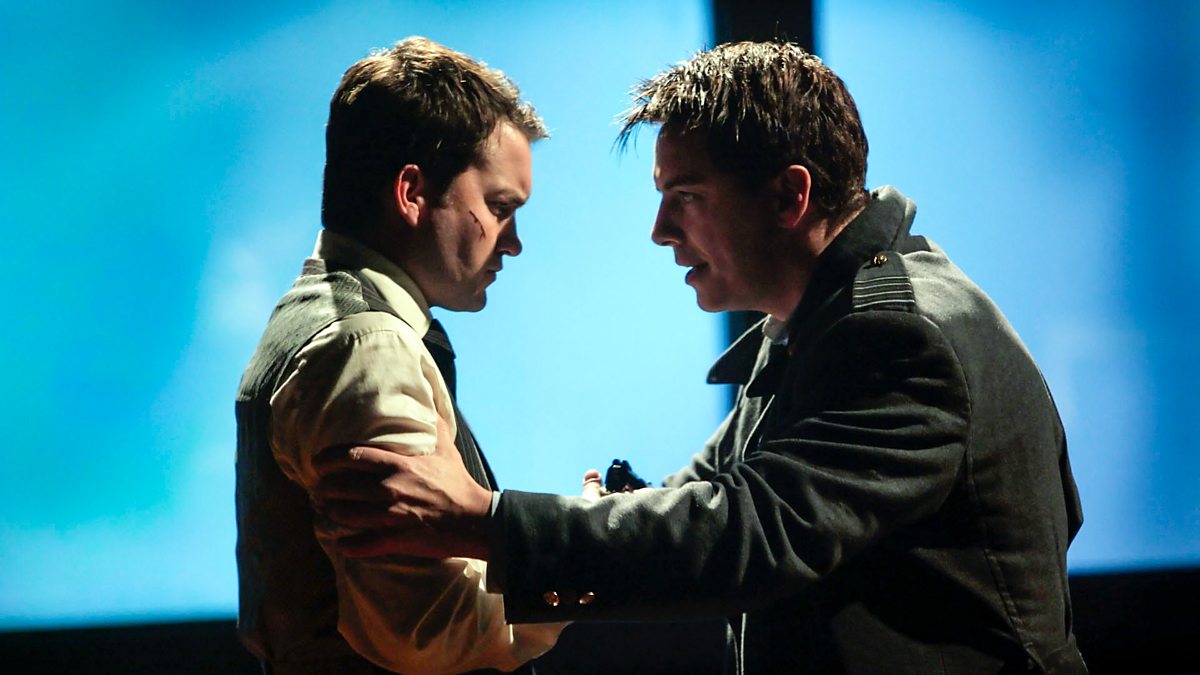
It was dramatic, but undeniably self-destructive. With the regulars falling like flies, it felt like the show was dying, too. Granted, shows like Blake’s 7 had no compunction with melting their regulars, but Blake’s 7 would replace them: Blake and Jenna became Tarrant and Dayna. Cally became Soolin. The Liberator became Scorpio. But in Torchwood, there was nobody to fill the void left by the hapless, hopeless and pulseless party members. The team, such as it was, never even got their base back.
And so, by the end of Series Three, the last two standing were Eve Myles and John Barrowman – and even then, this particular series concluded with Captain Jack beaming himself into space, vowing never to return. This was a puzzling way to wrap things up, particularly as the show had just been promoted to prime time BBC One. It was as if someone at the Beeb was baying for the show’s blood, hell bent on having the sex-driven secret ops ousted from the airwaves.
Surprisingly, Torchwood bounced back two years later with a 10 part epic, subtitled Miracle Day – a co-production with an American network, which was filmed State-side. It was good, if not quite as well-received as its predecessor (Series Three – Children of Earth – was met with critical acclaim.) But, crucially, it ended on a cliffhanger; Team Torchwood, it seemed, was ready for more adventures.
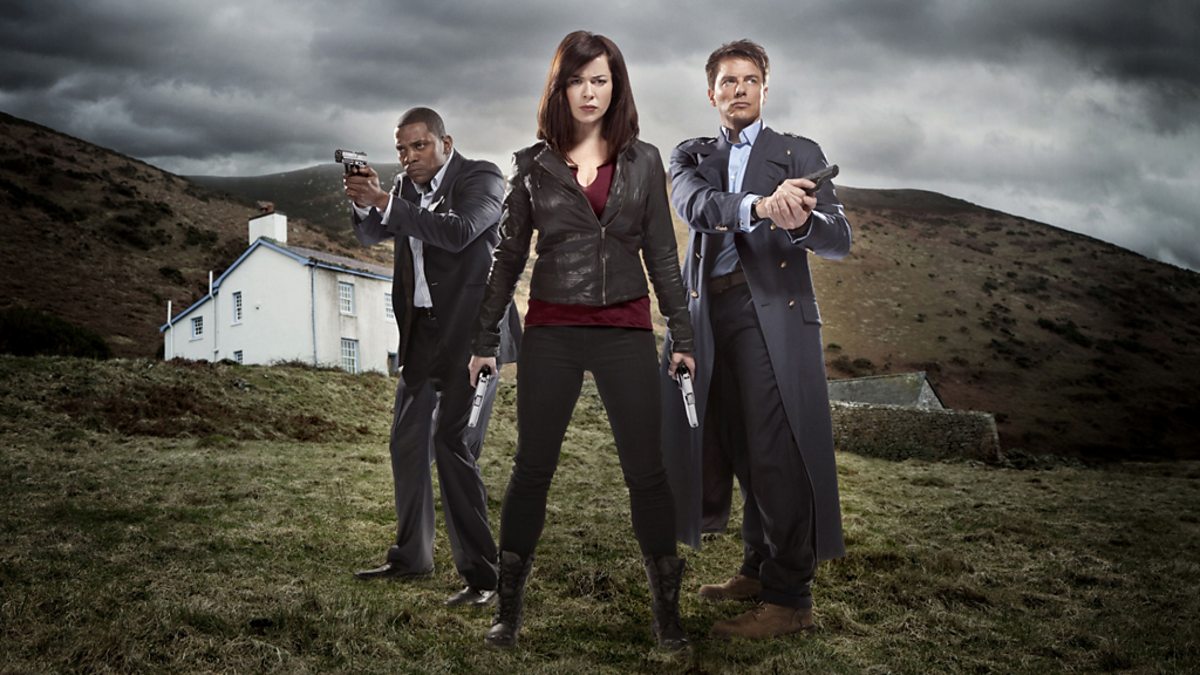
It’s ironic, then, that this was the last time Torchwood graced our screens. Big Finish took the reins some years later, consigning the captain’s further adventures to the audio realm.
But this is no bad thing; Big Finish produced some real masterpieces under the Torchwood banner, including ‘We Always Get Out Alive‘ and ‘Tropical Beach Sounds and Other Relaxing Seascapes #4,’ which are worth listening to even if you’re not a fan of Captain J and his lust-filled lackeys. They’re excellent.
Torchwood, like many shows, was a product of its time, and should be viewed as such. It worked well in terms of its interconnectedness with the wider Whoniverse, and Doctor Who fans were truly spoiled during this period in the show’s history, with three series running concurrently. It was a wonderous time.
Will it ever return, though? Probably not – at least not on TV; it’s gone, but not forgotten, and it’s fondly remembered for the most part. Indeed, Big Finish continues to produce audio adventures to this day. Torchwood, it seems, has left a lasting legacy.
Tell us, internet: What did you enjoy most about Torchwood? And what was your favourite episode? Let us know in the comments below.

Leave a Reply