
So here they are: two ‘brand new’ episodes from ‘The Daleks’ Master Plan’ for us to enjoy! What are the highlights of these recovered classics?
5) William Hartnell
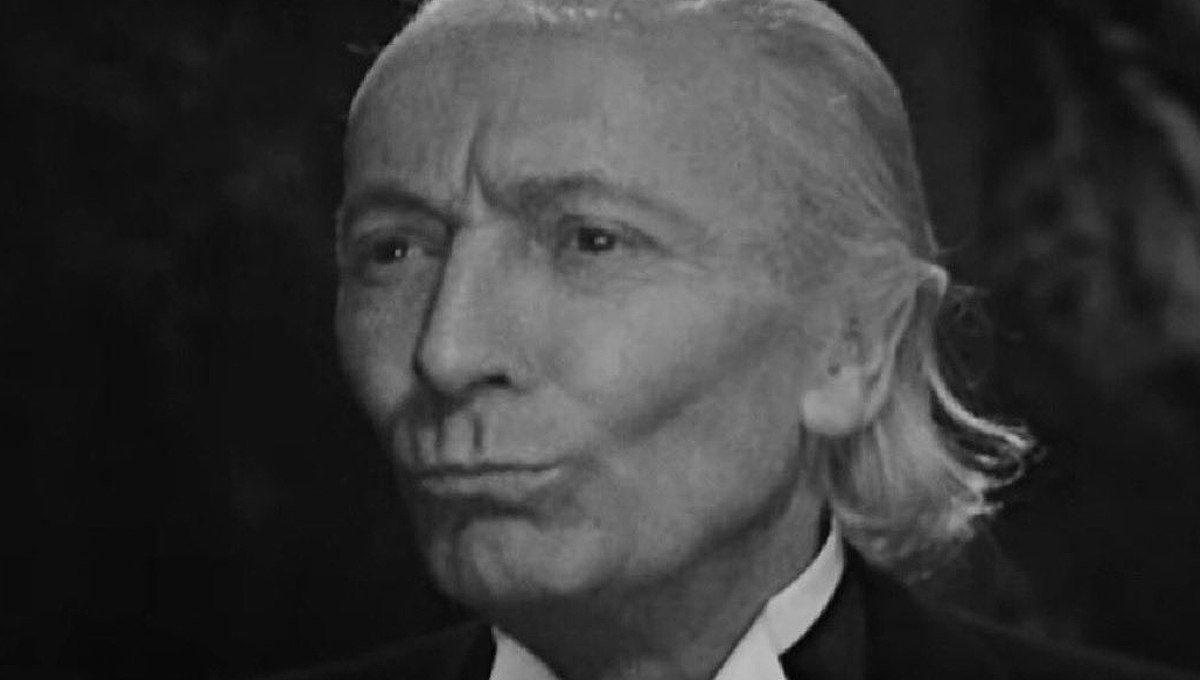
Doctor Who fans have long had the audio recordings of ‘The Daleks’ Master Plan’ to enjoy, but the sound alone only tells us so much. We always knew that William Hartnell was a genius and that ‘The Daleks’ Master Plan‘ is one of his all-time greats, but the new visuals from ‘The Nightmare Begins’ and ‘Devil’s Planet’ take his performance to a whole new level.
Yes, there are the usual ‘Hartnell fluffs,’ caused by the actor’s failing health, but they don’t matter so much during this period of Doctor Who as they are appropriate to Hartnell’s portrayal of the character as a grandfatherly eccentric. Even moments which are difficult to mask, such as the Doctor’s declaration that “the Daleks will stop at anything!” (as opposed to “the Daleks will stop at nothing!”) somehow stick the landing. The actor delivers these words with such gravitas and intensity that the drama of the moment is preserved.
Moreover, Hartnell’s playful chuckles throughout what is, overall, a rather bleak story are like a breath of fresh air. The viewer can’t help but notice that the Doctor is having great fun throughout ‘The Daleks’ Master Plan,’ a particular highlight being when he traps the hapless Bret in his magnetic chair, which he handles with childlike glee. He imbibes the story with a reassuring optimism that is refreshing to see in such a dark adventure.
4) William Hartnell’s wig
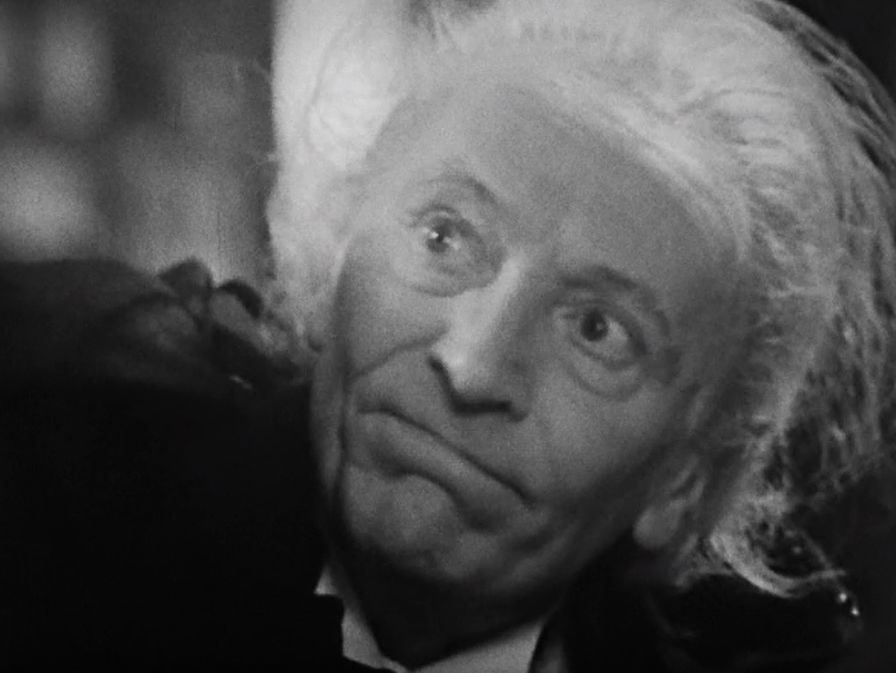
Remarkably, Hartnell’s hair is pristine throughout the majority of his era, yet in ‘The Daleks’ Master Plan’ it takes on a life of its own. There are at least three moments in the story where the Doctor looks as if he has been dragged through a hedge backwards, with strands of silver hair shooting off in all directions.
This may have been intentional, to some extent. In ‘The Nightmare Begins,’ for example, Hartnell’s first ‘crazy hair’ moment occurs just after his confrontation with Bret Vyon, after which Vyon steals the TARDIS key from him. The hair may have been ruffled to suggest an off-screen struggle between the pair.
Later on, however, Hartnell’s wig just starts doing its own thing, first when the Doctor whips off his hood in ‘Devil’s Planet,’ and later when he removes his visor. There is a particularly amusing moment where his companion Steven (played by Peter Purves) adjusts his own hair in Hartnell’s eyeline, perhaps to indicate to the actor that he needed to fix his wig.
However, these minor malfunctions are all part of the charm of ‘The Daleks’ Master Plan.’ These early episodes of Doctor Who were filmed as-live, with no possibility of edits or re-takes; whatever happened in the first take would stay in the episode, crazy hair and all. And of course, this rawness just adds to the realism of the piece; why would the Doctor have pristine hair throughout such a high-stakes, heart-stopping adventure?






3) The special effects
‘The Daleks’ Master Plan’ was shot on a shoestring budget, and whilst the special effects probably wouldn’t win any BAFTAs, there is no denying the lengths the production team went to. And some of the visuals are really good for their time, particularly when one remembers the time and monetary constraints.
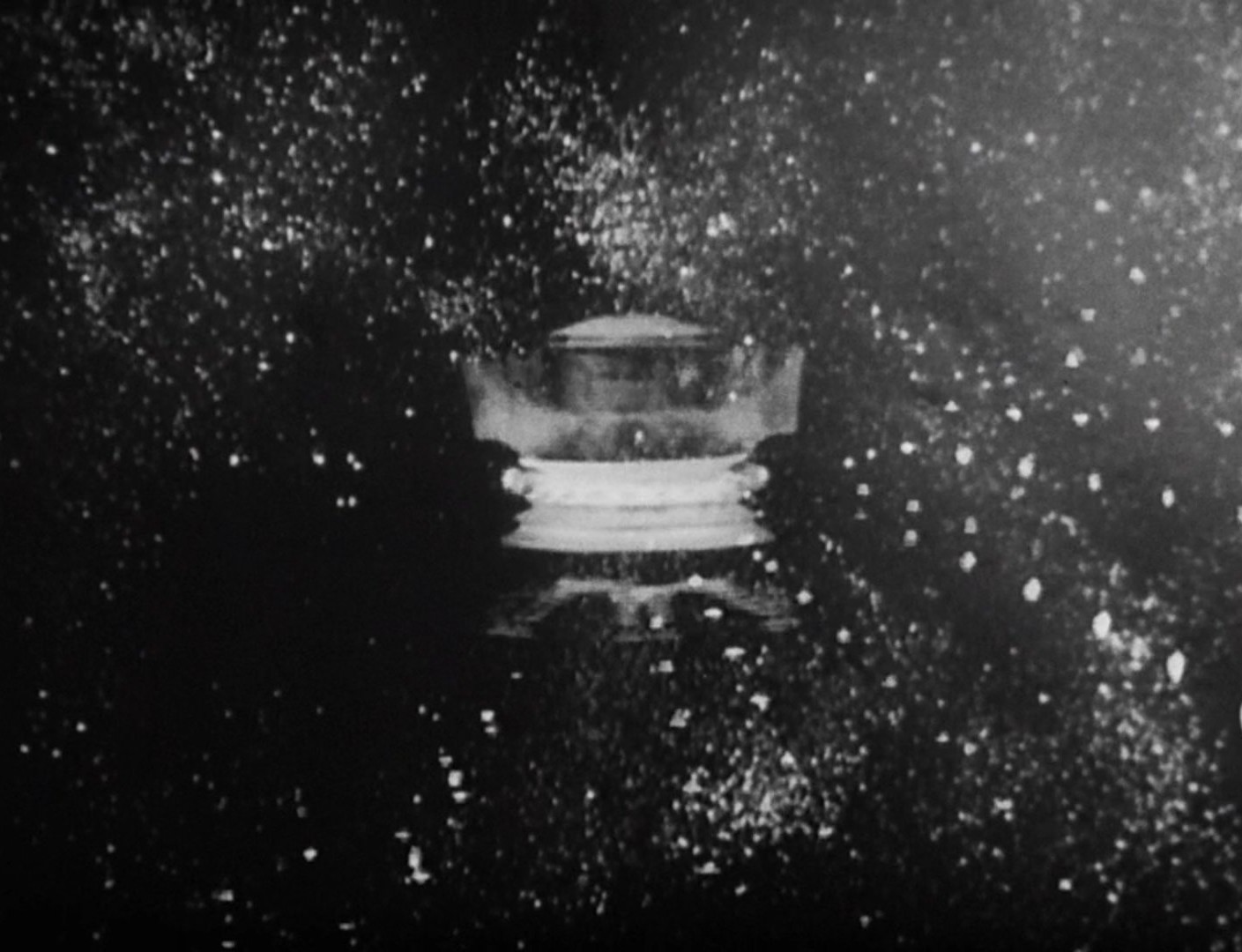
Particular highlights include the model work for Mavic Chen’s spar, including the previously unseen shot of it shooting through space. And then there is the surprisingly effective moment on the planet Desperus, where the director Douglas Camfield (somehow) managed to composite three lit torches onto a model shot of the planet’s surface, showing the convicts rushing towards the Doctor’s stricken vessel.
2) The direction
And speaking of Douglas Camfield, his direction of ‘The Daleks’ Master Plan’ truly helps to set this story apart from the other adventures in Season Three. It is worth remembering that, in 1965, Doctor Who was considered ephemera; it was like theatre, unlikely to be repeated, and certainly never going to find its way onto home media (which wasn’t even a thing in the mid 60s.) The episodes, most likely, would have been seen once, and never again.
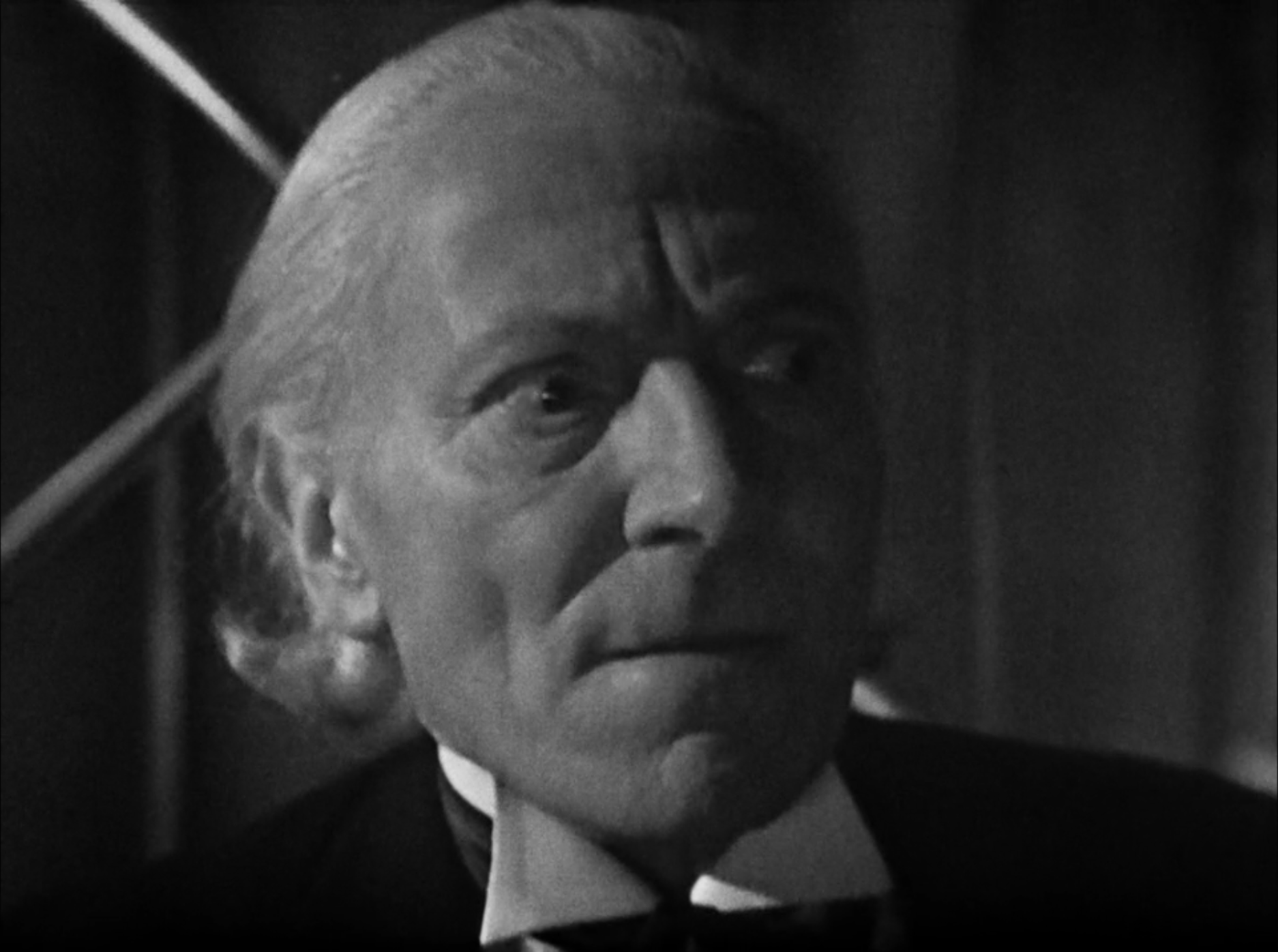
It is staggering, therefore, to see how much time and effort Douglas Camfield put into the direction of ‘The Daleks’ Master Plan.’ Some shots are like sheer works of art, such as noir-esque close-up of Hartnell in ‘The Nightmare Begins’ when he sees the Daleks for the first time. And then there is the haunting, lingering shot of the dead Kert Gantry, the aforementioned model work, and clever moments like when the (bulky) 60s camera circles round the Daleks and finishes on a close-up of one of the eye-stalks, maintaining focus throughout.
This attention to detail in ‘The Daleks’ Master Plan’ demonstrates how much Camfield really cared; he didn’t have to employ such creative direction for shots that would be seen momentarily and then forgotten about. He could simply have pointed the camera, covered the scenes and told the story. However, what we have in these recovered episodes of ‘The Daleks’ Master Plan‘ is nothing short of cinematic, and there are some moments that you could freezeframe and hang in a gallery.
1) Katarina
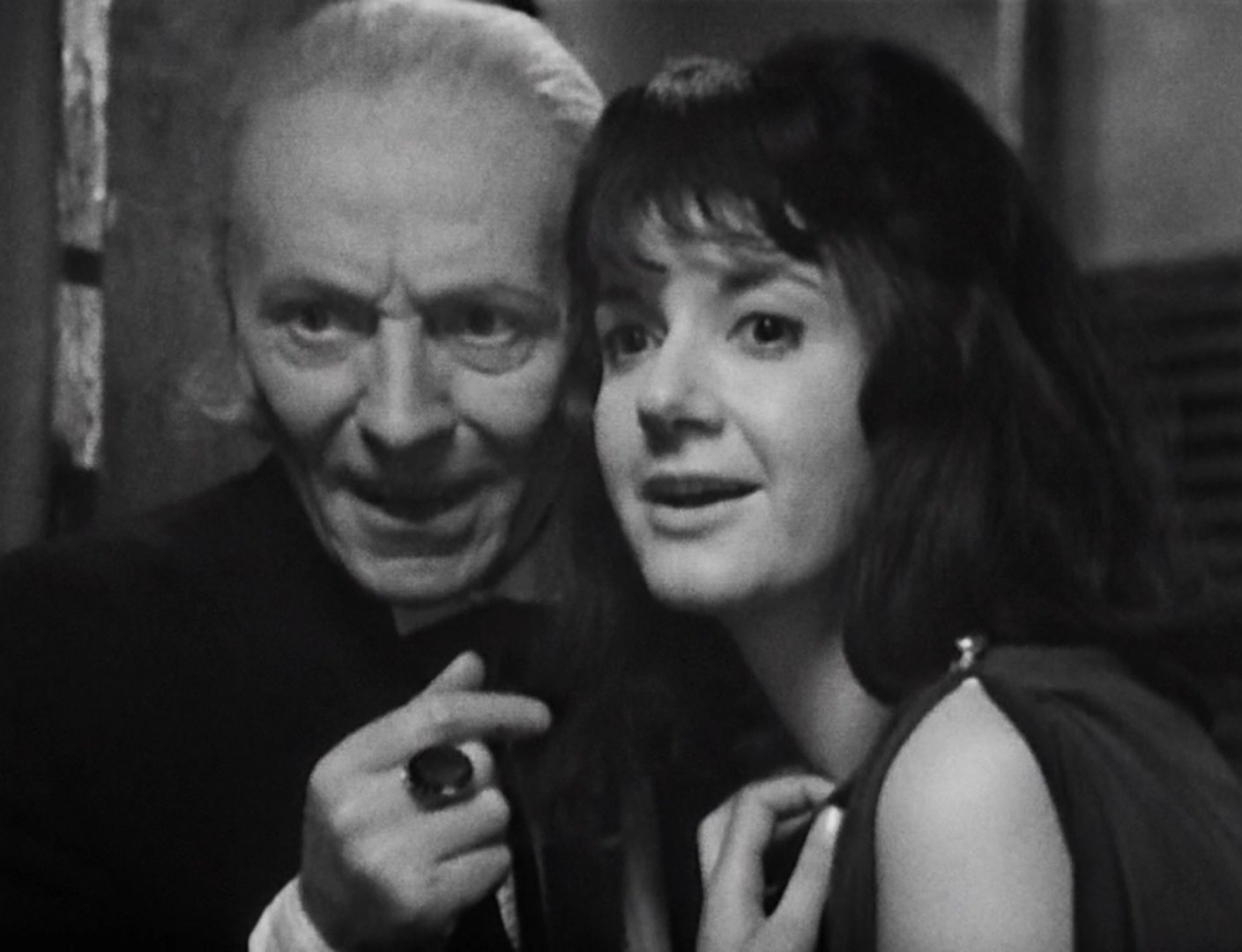
One of the biggest surprises of ‘The Daleks’ Master Plan’ is the companion Katarina. She is the shortest-lived of all the Doctor Who companions, and is killed off in the fourth episode of the story. And whilst fans have long been able to enjoy her performance in the adventure’s second episode and surviving audios, they’re given a whole new perspective on her character in the recovered instalments.
Some of this comes through the camera work, such as Camfield’s beautiful cutaway in ‘Devil’s Planet’ where Katarina is seen staring into the vastness of space. But much of the character’s depth is conveyed through the performance of Adrienne Hill, who evokes such a strong sense of awe and wonder that just isn’t captured in the soundtracks.
Moreover, in watching ‘The Daleks’ Master Plan’ it is clear just how much on-screen chemistry there was between the Doctor and Katarina. The Time Lord has a fatherly relationship with his new friend, and it is clear just how protective he is towards her. Katarina, on the other hand, seems to be in awe of this strange old man and all the wonderous things he is showing her, and so much of this emotion is conveyed through the pair’s body language and facial expressions.
In short, these recovered episodes of ‘The Daleks’ Master Plan‘ have transformed Katarina from a naïve, somewhat oblivious Trojan handmaid into a spellbound adventurer, growing and learning under the Doctor’s protective wing. In hindsight, it’s a shame that this relationship wasn’t developed further – but we are now so lucky to be able to see Adrienne Hill’s rich performance in such exquisite detail.
So tell us, reader: what was your favourite moment from ‘The Daleks’ Master Plan’? And which missing episodes would you like to be returned next? Let us know in the comments below.


Leave a Reply