
To date, there have been seventeen canonical Doctor Who regenerations, not including the fake-outs from ‘The Impossible Astronaut’ and ‘The Lie of the Land.’ What makes a good Doctor Who regeneration? And which is the best in the series’ history?
5) The Seventh Doctor’s regeneration
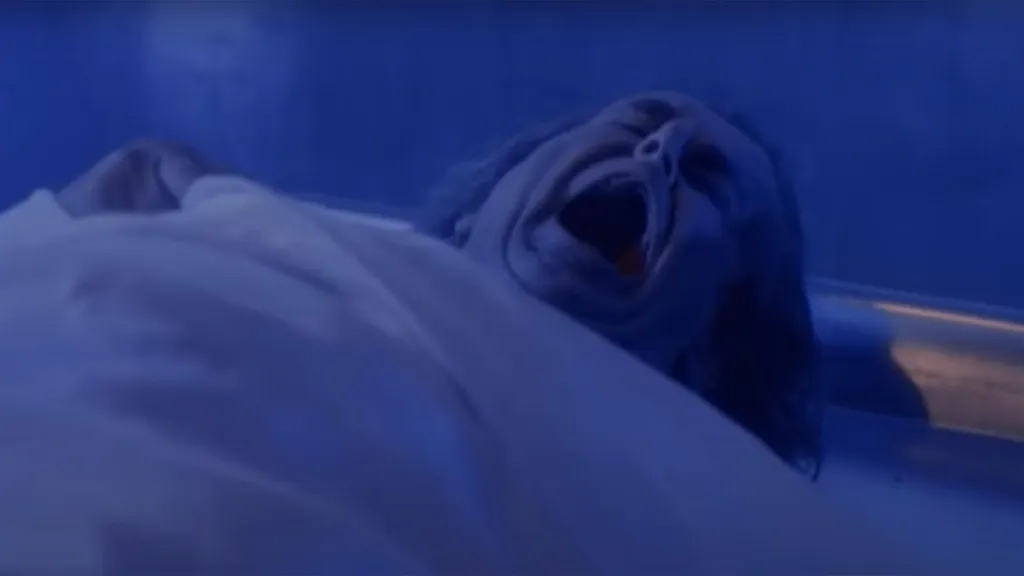
The Seventh Doctor’s death was nothing if not dramatic, with the Time Lord being gunned down at the hands of a San Francisco street gang. This particular Doctor Who regeneration took place in a morgue, interspersed with shots from the movie Frankenstein, showing the birth of the mad scientist’s creation. There was ominous music, ominous lightning, and sparks shooting in all directions as the viewer watched Sylvester McCoy’s face morph into that of Paul McGann’s.
One question remains: was this the first ever CGI Doctor Who regeneration? Possibly, although it’s unclear what kind of effect the production team used in the previous regeneration, where Sylvester McCoy changed into… well, Sylvester McCoy (see here if you’re confused.) Even today, this regeneration sequence looks great, even if the events themselves may have been a little confusing to new viewers. But it’s Doctor Who, right? If it’s not making you’re brain hurt, it’s doing something wrong…
4) The Fourth Doctor’s regeneration
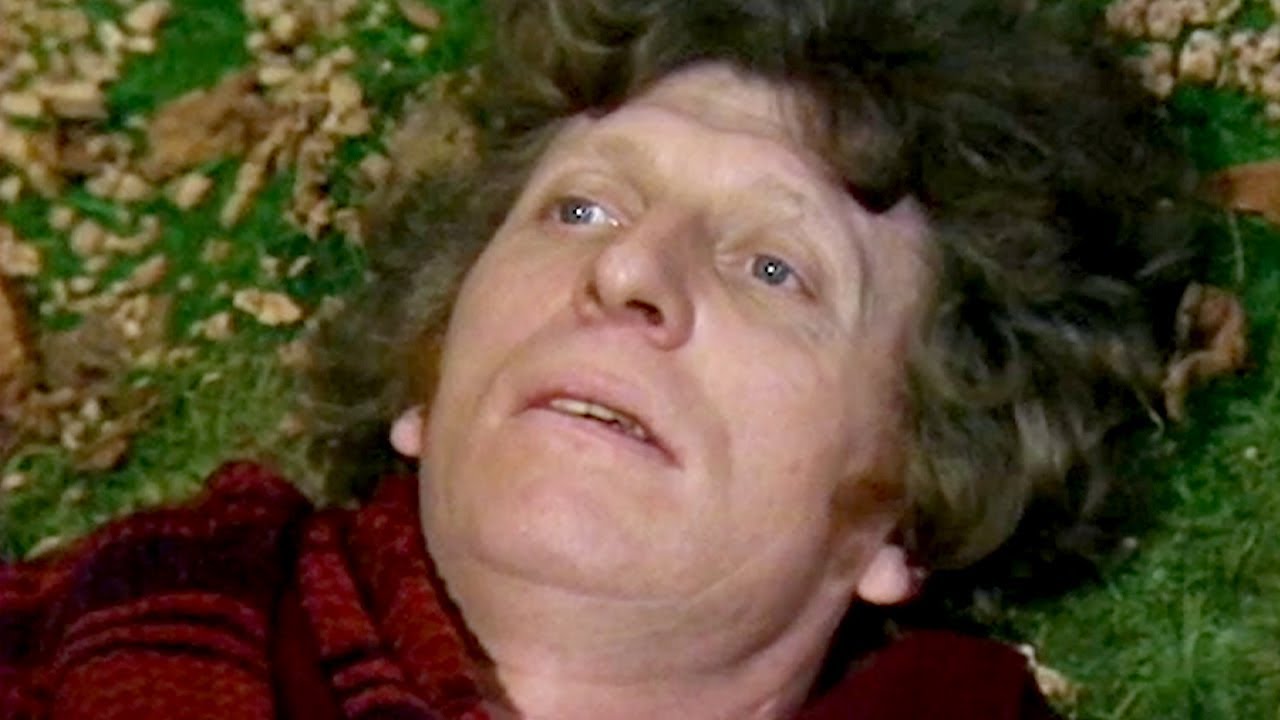
The next Doctor Who regeneration came at the end of a record-breaking run for Tom Baker who, having played the eponymous Time Lord for seven years, is still the longest-serving Doctor. But even he couldn’t live forever.
Throughout his final story, ‘Logopolis,’ the Time Lord is stalked by a nameless, faceless creature who observes from afar, rather poetically referred to as The Watcher. The Doctor seems to know him, and it’s not until episode four that his true identity is revealed; this is a future version of the Doctor, a liminal Time Lord between his fourth and fifth incarnations, and in seeing him the Doctor knows that death is imminent.
And what of the regeneration itself? Arguably, this is one of the most ambitious Doctor Who regenerations of all time, with the Time Lord and his arch enemy the Master fighting atop a radio telescope, which the Master sets in motion and sends our eponymous hero plunging to his death – but not before seeing visions of his former companions calling his name.
On a technical level, it’s easy to spot the time and budgetary restraints that prevented the production team from making this Doctor Who regeneration as epic as it could have been, but the remastered version on the Season 18 Blu-ray set goes some way to fulfilling the original vision.
3) The Fifth Doctor’s regeneration
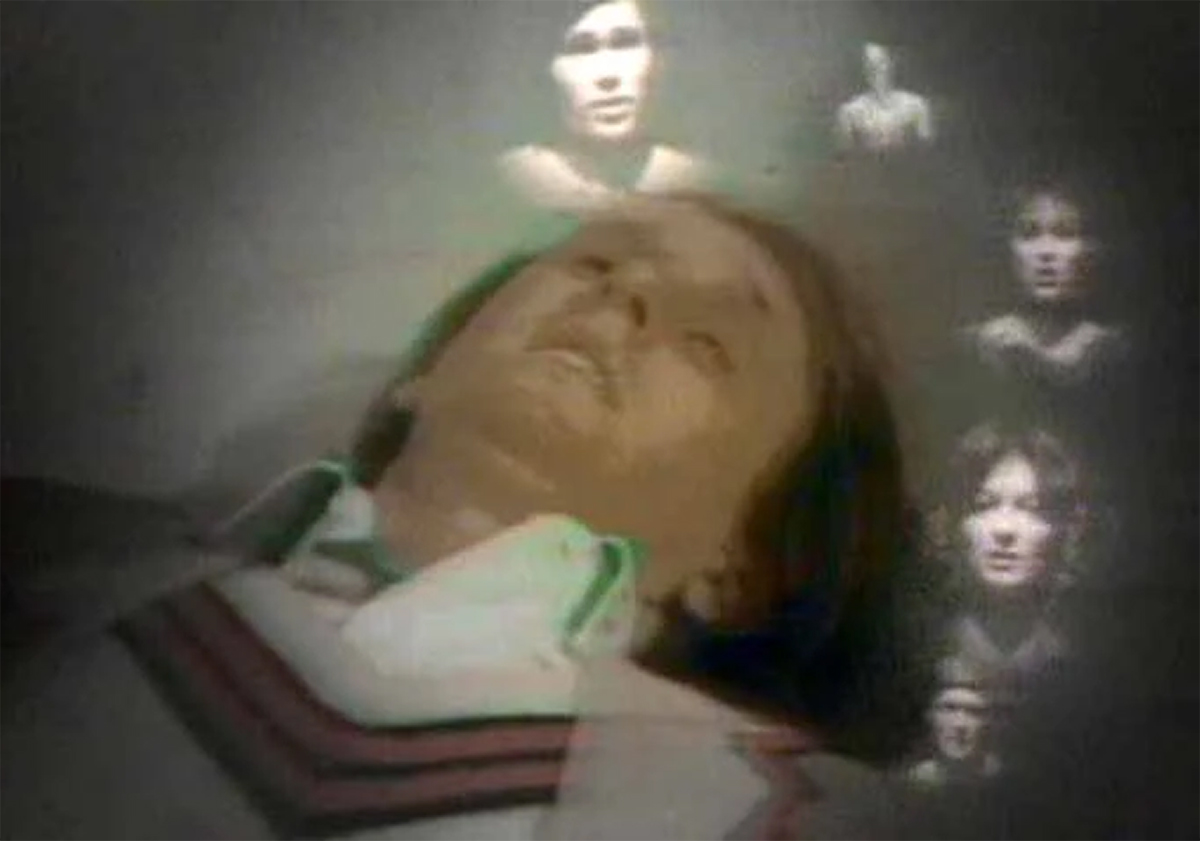
The next Doctor Who regeneration is one of the most heroic, and comes at the end of what is widely regarded as one of the greatest stories of all time, ‘The Caves of Androzani.’ In the adventure, the Time Lord and his companion Peri are suffering from the effects of spectrox toxaemia, which is slowly killing them. The milk of the queen bat holds the cure, but the Doctor is only able to collect enough for one person, so he sacrifices himself to save his companion.
This Doctor Who regeneration might be one of the most sinister, as the Doctor is unsure whether he will actually change. “It feels different this time,” he gasps, as he collapses on the floor of the TARDIS. He then sees visions of his former companions urging him to live, followed by a terrifying hallucination of the Master screaming, “No, my dear Doctor, you must die!”
Interestingly, the director Graeme Harper used an unlikely source of inspiration for this sequence – The Beatles’ Sergeant Pepper album, which ends with a rapidly rising cacophony of instruments, culminating in a mighty crash. The same happens in ‘The Caves of Androzani,’ with the new Time Lord sitting bolt upright at the sound of an ‘explosion’ – and it seems not a moment too soon…






2) The First Doctor’s regeneration
The first ever Doctor Who regeneration was in ‘The Tenth Planet’ episode four, and it was insidious and creepy. At the time, it wasn’t referred to as a regeneration; even the production team wasn’t entirely sure what they were doing, other than they needed to find a way to swap William Hartnell for Patrick Troughton to keep the show on the air.
This Doctor Who regeneration, though, has a dramatic build-up. The Doctor seems to have knowledge of his approaching death and drops hints to his companions as the story unfolds. “This old body of mine is wearing a bit thin,” he utters. “It’s far from being all over,” he adds.
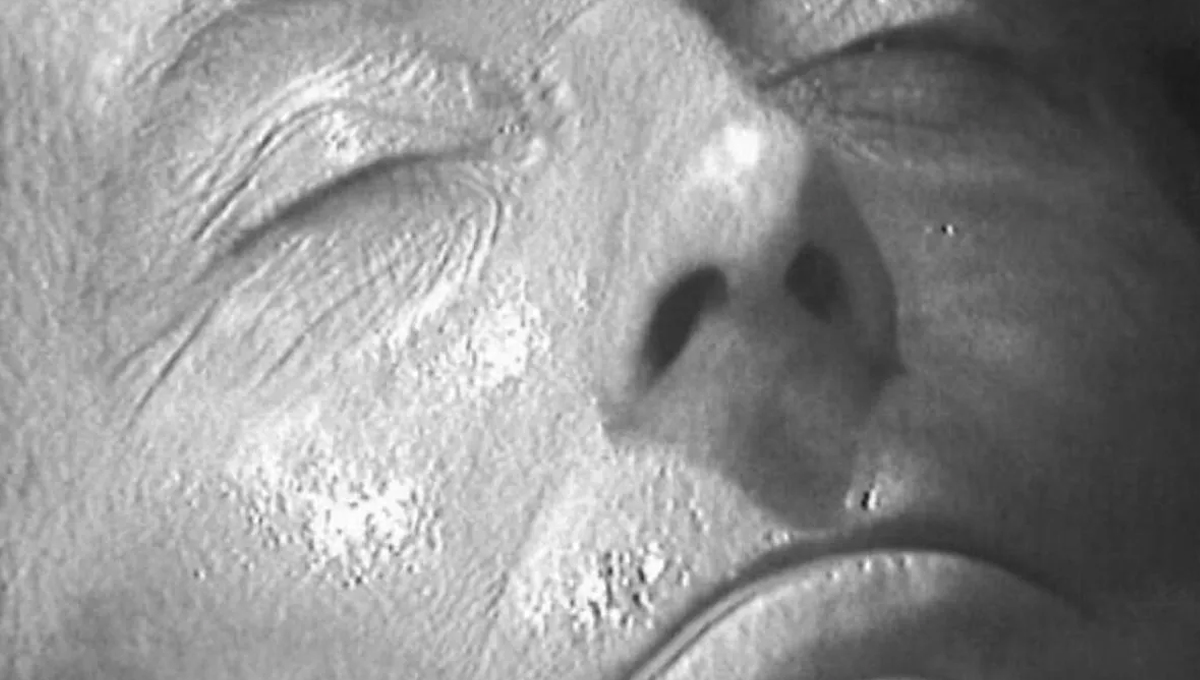
Shortly after, Ben and Polly enter the TARDIS to find an unusual build-up of power; the time rotor is rising and falling, the lights are dimmed, and the Doctor seems to have been overpowered by an invisible force. There is a blinding flash, and his face transforms.
In the following adventure, ‘The Power of the Daleks,’ the Doctor speaks of this process in vague terms. “I’ve been renewed, have I?” he muses. “That’s it. I’ve been renewed. It’s part of the TARDIS. Without it, I couldn’t survive.”
It wasn’t until ‘Planet of the Spiders‘ in 1974 that the process was dubbed “regeneration,” and it wasn’t until ‘The Deadly Assassin’ in 1977 that a regeneration limit was set.
1) The Tenth Doctor’s regeneration
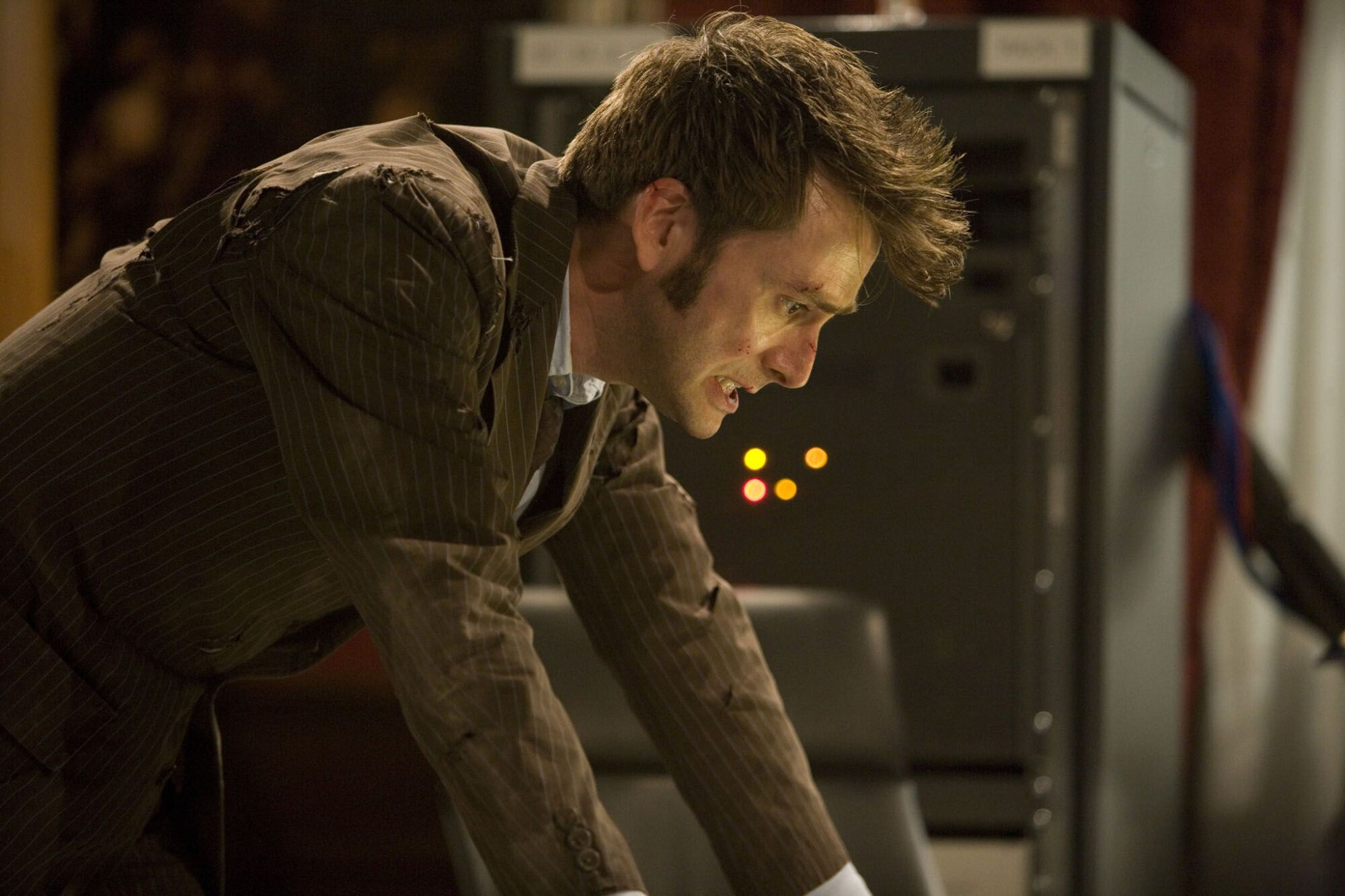
Without a doubt, the Tenth Doctor’s regeneration must go down as one of the series’ most tear-jerking and bombastic transitions. A weeping Doctor, having bid farewell to each of his companions, one by one, steps solemnly across the floor of the TARDIS and croaks, “I don’t want to go…” His resistance to the upcoming change causes his body to explode in a fireball, tearing through the console room. The Tenth Doctor regenerates as the TARDIS burns around him, screaming as he morphs into a new body.
Was it overkill? Perhaps, but there is no denying that this Doctor Who regeneration pulled out all the stops on a technical and an emotional level, with everything from Murray Gold‘s ‘Vale Decem’ to the devastating fulfilment of the prophecy that ‘he will knock four times’ making a rich soup of a moment in Doctor Who history that will never be forgotten, and may never be topped. There can’t have been a dry eye in the house when this episode was transmitted, and this Doctor Who regeneration is a real stand-out in the series’ history, even after 16 years.
But tell us, reader: which do you think is the greatest Doctor Who regeneration of all time? And which is your favourite from this list? Let us know in the comments below.


The 7 to 8 and 10 to 11, are the worst regenerations.